

When a loved one enters hospice care, you may receive a box of medications often called a comfort kit or emergency pack. Seeing these bottles for the first time can feel overwhelming or frightening. It is normal to feel nervous about having strong medicine in the home. This guide explains exactly what these items are, why they are provided before symptoms start, and how you can manage them safely while providing care to your loved one.
The goal of these medications is to keep your loved one as comfortable as possible. Symptoms like pain, shortness of breath, or agitation can appear suddenly in a home setting. Having the comfort kit on hand allows your nurse to offer you instructions immediately if a change occurs. Instead of waiting for a pharmacy delivery during a crisis, you will have tools ready to address the physical changes that often occur as a person nears the end of their life.
Caring for someone at home is a difficult role that often brings up complicated emotions like guilt or fear. You might worry about doing something wrong or struggle with the finality these medications represent. This guide covers how to handle these medicines with confidence and how to work with your hospice team to stay informed. You are not expected to be a medical expert, but knowing how these tools work can help you feel more prepared and less anxious.
The short version
- The comfort kit provides emergency medications to manage common symptoms like pain or shortness of breath that may arise suddenly at home for a hospice patient.
- Always contact your hospice nurse before giving a new medication from the kit, as they will assess the symptoms and provide clear instructions for the specific dose.
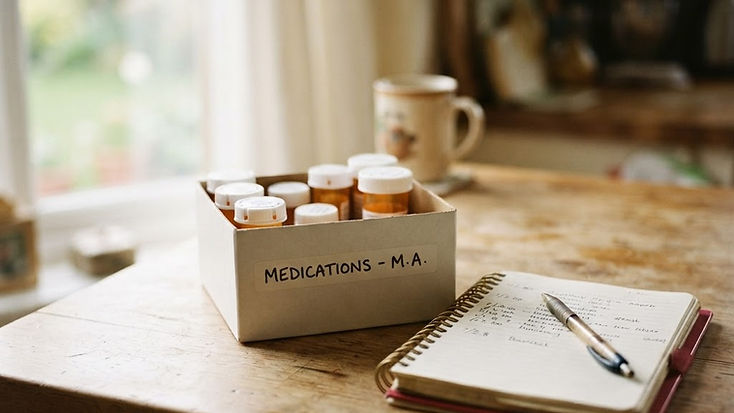
- Keep all comfort kit medications in a locked box or safe location to prevent accidental access by children or pets and to ensure you can track remaining amounts.
In this guide
01
Understanding what is inside the comfort kit
A comfort kit usually contains liquid or dissolvable medications designed to address physical distress. Your hospice team selects these specific drugs based on the medical history of your loved one. These medicines are not intended to cure an illness or speed up death, but rather to quiet symptoms that prevent a person from resting. Because every person reacts differently, the kit provides several options that your nurse can suggest based on what is happening in the room at that time.
You might see medications that help with breathing, pain, or restlessness. Some medications are given under the tongue, while others might be drops that go inside the cheek. Your nurse will show you exactly how to give these medications, which is often easier than giving a pill that requires swallowing. It is common to have extra doses of these medications available so that you do not have to worry about running out in the middle of the night.
Some families feel hesitant to keep these medications in the house because they worry about side effects or confusion. However, the nurse is responsible for guiding you through each choice. If a symptom changes, the nurse will explain which medication might help and why. You are never alone in making these choices. The team provides the toolkit as a resource, and you decide with the nurse when it is appropriate to use them for relief.
- Liquid pain relievers for physical discomfort
- Drops to help ease feelings of breathlessness
- Medications to manage sudden anxiety or agitation
- Droppers or syringes for simple administration
02
When to call the nurse before using medications
You must speak with your hospice nurse before you give a medication from the comfort kit for the first time. Even if you think you recognize the symptom, a quick phone call ensures you are using the right dose for the current situation. The nurse will ask you specific questions about what you see, such as whether your loved one is frowning, pulling away, or breathing faster. These details help the nurse understand the level of distress accurately.
Calling the nurse first helps avoid mistakes that could occur during a stressful moment. If you notice your loved one seems restless, you might feel the urge to give medicine immediately. However, the nurse might suggest you first try repositioning them, changing the lighting, or playing quiet music to see if that helps. The nurse acts as your partner, helping you decide whether medicine is necessary or if other comfort measures will be more effective for the current moment.
If you see a sudden change, such as labored breathing or signs of pain, call the hospice line immediately. The nurses are available to take your call at any hour. They will talk you through the process, confirm the name of the medicine, and clarify the exact amount. If a symptom continues after you have given a dose, the nurse will guide you on what to do next. You never have to manage these decisions on your own.
- Ask about the specific symptom you see
- Verify the medicine name and exact dose
- Confirm the timing between doses
- Ask if there are other ways to help
03
How to store and track medications safely
Safety is a priority when you have strong medications in your home. These items should be kept in a cool, dry place that is out of reach of children and pets. Many families choose to keep the entire comfort kit in a lockbox or a cabinet that can be secured. Keeping everything together in one container also helps you find what you need quickly if a situation becomes urgent, rather than searching through drawers or cabinets in a panic.
You must keep an accurate record of every dose you give. Your hospice team will provide a medication log to help you track this information. Write down the date, the time, the name of the medication, and the amount you gave. This log is important for the nurse to review when they visit. It helps them see how effective the medication is and whether they need to suggest adjustments to help your loved one stay comfortable.
If you have unused medication after a death, do not simply throw it in the trash. Your hospice team will offer to take the medications back and dispose of them properly according to regulations. This provides peace of mind for you and ensures that the medicine does not remain in the house. If you are ever unsure about a medication or how to handle a remaining amount, always ask your hospice nurse for help with the disposal process.
- Store in a locked box or secure cabinet
- Keep away from direct heat or sunlight
- Record every dose in the provided log
- Ask the nurse how to return unused medicine
04
Managing the emotional impact of the kit
Receiving the comfort kit can trigger difficult feelings. It might feel like a sign that the end is near, which can make you feel sad or scared. Family members sometimes disagree on whether to use the medicine, which can lead to tension in the house. If you feel guilty about giving medication or worry about changing your loved one, speak openly with your hospice nurse. They are used to these concerns and can offer support for your own well-being.
Focusing on the comfort of your loved one is the best way to move past these feelings. Remind yourself that you are not choosing the illness, but you are choosing to help them rest without pain. When you see your loved one relax after a dose, it can provide relief for you as well. Do not hide your worries from your family or your care team. Talking about why you are scared is often the first step in feeling more in control.
Take breaks when you can, even if just for a few minutes. If caring for your loved one and managing their medications becomes too much, ask a friend or family member to sit with them while you step outside. It is common to feel exhausted or overwhelmed by the responsibility of being the primary caregiver. Remember that the hospice team is there to assist you. You are doing a hard job, and you deserve support throughout this experience.
- Talk to family about your shared concerns
- Seek support from the hospice chaplain or social worker
- Remember that your goal is comfort and relief
- Accept help from friends for your own rest
05
Working with the hospice care team
Your hospice nurse is your main point of contact for any questions regarding the comfort kit. They expect you to call, regardless of the time of day, if you are unsure about what to do. There is no such thing as a silly question when it comes to the comfort of your loved one. If you notice a change, report it. The team can adjust the plan or explain what is happening, which helps reduce your anxiety and keeps everyone on the same page.
In addition to the nurse, you can talk to the social worker or chaplain on the team about the emotional toll of caregiving. They can help you address family conflict or personal fears you might feel about the final weeks. Sometimes, simply having someone listen to your worries makes it easier to focus on the care you are providing. The hospice team is designed to support the entire family, not just the person who is ill.
Prepare for your nurse visits by having your medication log ready to show them. This allows the nurse to spend their time focusing on the needs of your loved one instead of trying to catch up on paperwork. If you have questions about side effects or how the medicine changes your loved one, write them down so you do not forget to ask during the visit. A prepared caregiver is better equipped to handle the challenges of home hospice.
- Write down questions before the nurse arrives
- Show the nurse your current medication log
- Report any new symptoms as they appear
- Ask for help if you feel overwhelmed
Common questions
What if I accidentally give the wrong amount of medication?
If you realize you have given the wrong amount, call your hospice nurse immediately. Do not wait for symptoms to change. Be honest about what happened so the nurse can give you the right advice on how to monitor your loved one. They are there to help you resolve the situation safely, not to judge you for a mistake.
Will these medications cause my loved one to stop breathing?
These medications are given to relieve suffering rather than to cause death. When used as directed by your hospice nurse to manage symptoms like pain or labored breathing, they help a person remain comfortable. Your nurse will explain exactly how the medicine works to provide relief and why it is a necessary part of a comfort-focused plan.
Can I give these medicines whenever I feel like they are needed?
Always check with the nurse before giving a new medication from the kit, especially for the first time. Even if you think your loved one is in pain, the nurse needs to evaluate the situation to ensure the right medication and dose are chosen. Once you have clear instructions, you can follow them as directed for recurring symptoms.
Read next
Preparing for hospice · 7 min
How to Prepare for Hospice: A Practical Checklist
What to gather, what to set up at home, and what to ask before care begins, so the first week is calmer than it would be otherwise.
End of life · 9 min
Terminal Restlessness: Why a Dying Person Becomes Agitated
This guide explains why agitation and confusion happen at the end of life, how the hospice nurse investigates causes, and how families can create a peaceful environment.
Illness · 5 min
Hospice and Advanced Kidney Disease
How dialysis and hospice fit together, and how comfort is managed when dialysis stops or is never started.